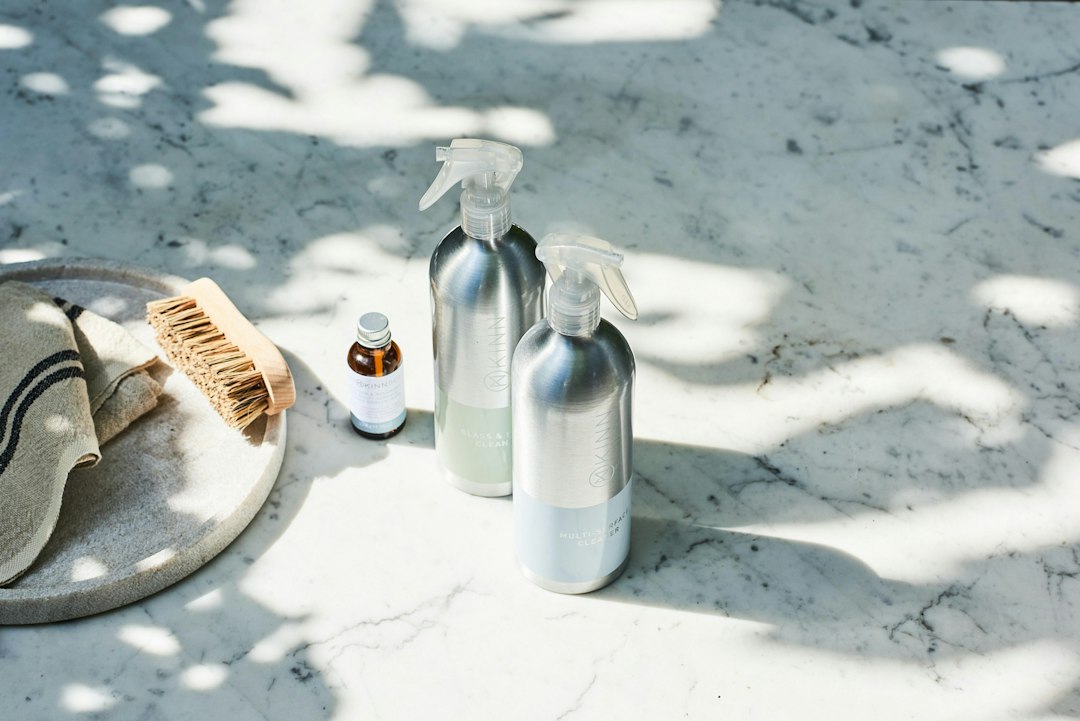
The quest for a clean home often leads us down aisles filled with harsh chemicals, artificial fragrances, and a hefty price tag. But what if the secret to a sparkling, fresh living space, especially a pristine kitchen, lies not in industrial-strength concoctions, but in the simple, natural ingredients already in your pantry? This comprehensive guide delves into the world of natural home cleaning hacks and empowers you with DIY kitchen stain removal productivity tips, proving that an eco-friendly approach can be both incredibly effective and time-efficient.
The Power of Nature's Cleaners: Why Go Natural?
Choosing natural cleaning methods isn't just a trend; it's a conscious decision that benefits your health, your wallet, and the planet. Traditional cleaning products often contain volatile organic compounds (VOCs), phthalates, and ammonia, which can contribute to respiratory issues, skin irritation, and even long-term health problems. By contrast, natural alternatives offer:
- Healthier Indoor Air Quality: Fewer airborne toxins mean a safer environment for you, your children, and your pets.
- Cost Savings: Pantry staples like vinegar, baking soda, and lemon are remarkably inexpensive compared to their specialized chemical counterparts.
- Environmental Friendliness: Reduced chemical runoff protects waterways and ecosystems.
- Reduced Waste: Many DIY solutions can be stored in reusable bottles, cutting down on plastic waste.
- Effectiveness: Don't mistake natural for weak. When used correctly, these ingredients are incredibly powerful cleaners, deodorizers, and disinfectants.
Your Essential Natural Cleaning Arsenal: The Core Ingredients
Before we dive into specific hacks, let's stock your natural cleaning toolkit. You likely already own most of these versatile powerhouses:
White Vinegar: The Acidic All-Star
Distilled white vinegar is a superhero. Its acetic acid content makes it a formidable foe against grease, grime, mildew, and mineral deposits. It's also a natural deodorizer and mild disinfectant.
- Uses: All-purpose cleaner, glass cleaner, descaler, fabric softener, mold killer.
- Caution: Avoid using on natural stone (marble, granite) as the acid can etch the surface.
Baking Soda (Sodium Bicarbonate): The Gentle Abrasive & Deodorizer
This humble white powder is a marvel. Its mild abrasive quality makes it perfect for scrubbing without scratching, while its alkaline nature helps neutralize odors and cut through grease.
- Uses: Scrubbing sinks/tubs, deodorizing fridges/carpets, oven cleaner, drain cleaner.
Lemon Juice: The Fresh Degreaser & Brightener
High in citric acid, lemon juice is excellent for cutting grease, removing stains, and leaving a fresh, clean scent. It also has mild bleaching properties.
- Uses: Stain remover, degreaser, polishing brass/copper, deodorizer.
Castile Soap: The Concentrated Cleanser
Made from vegetable oils, concentrated castile soap (liquid or bar) is a gentle yet powerful surfactant. It can be diluted for various cleaning tasks and is biodegradable.
- Uses: All-purpose cleaner, dish soap, hand soap, floor cleaner.
Hydrogen Peroxide (3%): The Disinfectant Boost
A natural bleach alternative and disinfectant, hydrogen peroxide is effective against bacteria, viruses, and mold.
- Uses: Sanitizing surfaces, whitening grout, stain removal.
- Caution: Store in its original dark bottle, as light degrades it. Test on an inconspicuous area first.
Essential Oils (Optional): For Scent & Added Power
While not strictly necessary for cleaning, essential oils like tea tree (antimicrobial), lemon (degreaser, fresh scent), lavender (calming), and peppermint (pest deterrent) can enhance your cleaning solutions with pleasant aromas and added benefits.
Mastering Kitchen Stain Removal: DIY Solutions for Common Culprits
The kitchen is the heart of the home, and often the epicenter of spills and stains. Here's how to tackle them naturally and efficiently.
Grease & Grime on Stovetops and Backsplashes
- Step-by-Step:
- For light grease: Mix equal parts white vinegar and water in a spray bottle. Spray liberally, let sit for 5 minutes, then wipe with a damp cloth.
- For heavy grease/baked-on grime: Sprinkle baking soda generously over the greasy area. Spray with white vinegar (it will fizz!). Let it sit for 10-15 minutes. Scrub with a non-scratch sponge or brush, then wipe clean with a wet cloth. Repeat if necessary.
- For extreme grease: Apply a paste of baking soda and a few drops of dish soap (preferably natural castile soap) directly to the grease. Let it sit for 30 minutes to an hour, then scrub and rinse.
Burnt Food in Pots and Pans
- Step-by-Step:
- Add about an inch of water to the bottom of the pan.
- Add a generous sprinkle of baking soda (1/4 to 1/2 cup, depending on pan size).
- Bring the mixture to a boil on the stovetop, then reduce heat and simmer for 5-10 minutes.
- Remove from heat, let cool slightly. The burnt food should loosen.
- Scrape with a wooden or plastic utensil. For stubborn bits, make a paste of baking soda and a little water, scrub with a non-scratch pad.
Coffee & Tea Stains in Mugs and Countertops
- Step-by-Step:
- For mugs: Sprinkle baking soda onto a damp sponge and scrub the inside of the mug. The mild abrasive action will lift the stains. Rinse thoroughly. For very stubborn rings, fill the mug with hot water, add a tablespoon of baking soda and a squeeze of lemon juice, let sit for a few hours or overnight, then scrub.
- For countertops (non-stone): Mix a paste of baking soda and a few drops of hydrogen peroxide. Apply to the stain, let sit for 15-30 minutes, then wipe clean. For lighter stains, lemon juice alone can work.
Hard Water Spots on Faucets, Sinks, and Dishwashers
- Step-by-Step:
- For faucets/sinks: Soak a cloth or paper towel in white vinegar and wrap it around the affected area. Let it sit for 30 minutes to an hour (or longer for severe buildup). Remove the cloth and gently scrub with an old toothbrush or sponge. Rinse and buff dry.
- For dishwashers: Once a month, place a bowl filled with 1-2 cups of white vinegar on the top rack of an empty dishwasher and run a hot cycle. This will descale the interior and remove odors.
Cutting Board Sanitization & Stain Removal
- Step-by-Step:
- Sanitize: After washing with hot, soapy water, generously sprinkle coarse salt over the board. Cut a lemon in half and use the cut side to scrub the salt into the board. The salt acts as an abrasive, and the lemon's acid helps disinfect and deodorize. Let sit for 5-10 minutes, then rinse well and let air dry completely.
- Remove Stains: For deep food stains, apply a paste of baking soda and a little water. Let it sit for 15-20 minutes, then scrub and rinse.
Beyond the Kitchen: Natural Hacks for a Whole-Home Sparkle
Natural cleaning isn't just for the kitchen. Extend its benefits throughout your entire living space.
Sparkling Windows and Mirrors
- DIY Solution: Mix equal parts white vinegar and distilled water in a spray bottle. Add 2-3 drops of lemon essential oil for a streak-free shine and fresh scent.
- How-To: Spray the solution onto glass surfaces. Wipe clean with a microfiber cloth or crumpled newspaper (yes, newspaper!) for a streak-free finish. Avoid cleaning windows in direct sunlight, as the solution can dry too quickly and leave streaks.
Grout Whitening and Mold Removal in Bathrooms
- DIY Solution: Create a thick paste of baking soda and hydrogen peroxide.
- How-To: Apply the paste directly to grout lines. Let it sit for 10-15 minutes. Scrub with an old toothbrush or grout brush. Rinse thoroughly with water. For persistent mold, a spray bottle of undiluted white vinegar can be effective; spray, let sit for an hour, then scrub and rinse.
Freshening Carpets and Upholstery
- DIY Solution: Baking soda. Add a few drops of your favorite essential oil (e.g., lavender, lemon) to the baking soda for added fragrance.
- How-To: Sprinkle baking soda liberally over carpets or upholstery. Let it sit for at least 15-30 minutes (or several hours for deep deodorizing). Vacuum thoroughly. The baking soda absorbs odors, leaving a fresh scent.
Supercharge Your Clean: Productivity & Time-Saving Strategies
Natural cleaning can be incredibly efficient. These productivity hacks will help you maintain a clean home without feeling overwhelmed.
The Daily 15-Minute Tidy
Dedicate 15 minutes each day to quick clean-up tasks. This prevents small messes from snowballing into overwhelming chores.
- Actionable Tip: Wipe down kitchen counters after meals, put away clutter, make beds, and do a quick bathroom wipe-down.
Multi-Purpose Solutions
Maximize the versatility of your natural cleaners. A single bottle of diluted vinegar or castile soap can tackle multiple surfaces.
- Actionable Tip: Keep a spray bottle of diluted vinegar (50/50 water/vinegar) in both the kitchen and bathroom for quick wipes.
Batch Cleaning & Zone Cleaning
Instead of cleaning everything at once, focus on one area or type of task.
- Actionable Tip: Designate "kitchen cleaning day" or "bathroom cleaning day." Alternatively, do all your dusting at once, then all your vacuuming, etc., to get into a rhythm.
Keep Supplies Handy
Store your natural cleaning solutions and tools where you use them most.
- Actionable Tip: Keep a small caddy with your all-purpose spray, cloths, and a scrubbing brush under the kitchen sink and another in the bathroom.
Involve the Whole Family
Delegate age-appropriate cleaning tasks. Teaching children to clean naturally instills good habits and reduces your workload.
- Actionable Tip: Kids can help wipe down surfaces with diluted vinegar or pick up toys.
Crafting Your Own Eco-Friendly Cleaning Solutions (Recipes)
Here are a few basic recipes to get you started:
All-Purpose Cleaner
- Ingredients: 1 cup white vinegar, 1 cup distilled water, 10-15 drops lemon or tea tree essential oil (optional).
- Instructions: Combine all ingredients in a spray bottle. Shake well before each use.
- Uses: Countertops (non-stone), sinks, appliances, general surface cleaning.
Glass & Mirror Cleaner
- Ingredients: 1/2 cup white vinegar, 1/2 cup distilled water, 1/4 teaspoon cornstarch (helps prevent streaks), 5 drops peppermint essential oil (optional).
- Instructions: Mix thoroughly in a spray bottle. Shake well before each use.
- Uses: Windows, mirrors, glass tables.
Soft Scrub Cleanser
- Ingredients: 1/2 cup baking soda, 1-2 tablespoons liquid castile soap, enough water to form a paste.
- Instructions: In a bowl, mix baking soda and castile soap. Add water slowly until you achieve a thick, spreadable paste.
- Uses: Tubs, sinks, toilets, stubborn kitchen grime. Apply, let sit for 5-10 minutes, scrub, and rinse.
Safety & Sustainability: Best Practices for Natural Cleaning
Even natural ingredients require responsible use.
- Ventilation: Always ensure good ventilation when cleaning, especially when using vinegar or hydrogen peroxide, to dissipate fumes.
- Patch Test: Before applying any new solution to a surface, test it on an inconspicuous area to ensure it doesn't cause damage or discoloration. This is particularly important for delicate surfaces or natural stone.
- Storage: Store your DIY solutions in clearly labeled, dark, airtight containers away from direct sunlight and out of reach of children and pets. Hydrogen peroxide should always remain in its original dark bottle.
- Mixing: Never mix hydrogen peroxide with vinegar in the same bottle or apply them simultaneously, as this can create peracetic acid, a corrosive compound. Use them separately, rinsing between applications.
- Disposal: While natural, avoid pouring large quantities of highly acidic or alkaline solutions down drains regularly, as they can impact plumbing over time. Dilute and dispose responsibly.
---
Comparison Table: Natural Cleaning Agents vs. Common Cleaning Tasks
| Natural Agent | Degreasing | Deodorizing | Abrasive Scrub | Disinfecting | Stain Removal | Best for... |
|---|---|---|---|---|---|---|
| White Vinegar | ✅ | ✅ | ❌ | ✅ | ✅ | Countertops (non-stone), glass, hard water, mildew |
| Baking Soda | ✅ | ✅ | ✅ | ❌ | ✅ | Sinks, tubs, ovens, carpets, deodorizing |
| Lemon Juice | ✅ | ✅ | ❌ | ✅ | ✅ | Grease, brightening, rust, cutting boards |
| Castile Soap | ✅ | ✅ | ❌ | ❌ | ✅ | All-purpose, dishes, floors, gentle cleaning |
| Hydrogen Peroxide | ❌ | ❌ | ❌ | ✅ | ✅ | Grout, sanitizing, whitening, mold |
---
Embracing natural home cleaning hacks and DIY kitchen stain removal productivity tips is a journey towards a healthier, more sustainable, and ultimately more enjoyable home environment. By understanding the power of simple ingredients and integrating smart cleaning habits, you can achieve a truly sparkling clean that feels good, smells fresh, and costs less, all while contributing positively to your well-being and the planet.