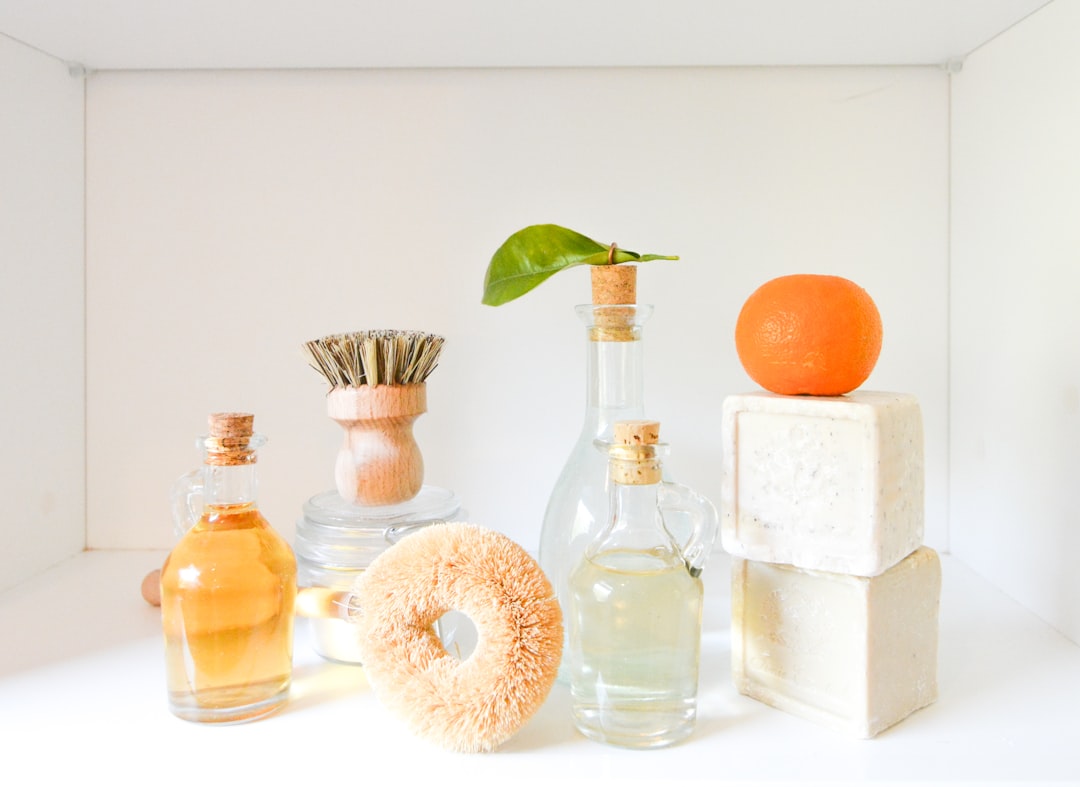
The Philosophy of Natural Home Cleaning
In an era where modern homes are often saturated with synthetic chemicals, returning to the fundamentals of natural sanitation is not just an aesthetic choice—it is a health imperative. The best practices for natural home cleaning are rooted in basic chemistry. By understanding how pH levels, surfactants, and mild abrasives work together, you can achieve professional-grade results without exposing your family or pets to volatile organic compounds (VOCs).
Natural cleaning is about working smarter, not harder. It involves identifying the nature of the stain—whether it is organic (food, grease) or mineral (limescale, rust)—and selecting the appropriate natural agent to neutralize it.
The Essential Toolkit for DIY Home Sanitation
Before diving into specific stain removal, you must assemble a kit that covers the entire pH spectrum. You do not need expensive proprietary blends; you need these staples:
- White Distilled Vinegar (Acetic Acid): The ultimate degreaser and mineral dissolver.
- Baking Soda (Sodium Bicarbonate): A gentle abrasive and excellent deodorizer.
- Hydrogen Peroxide (3%): A safe, natural bleaching agent and disinfectant.
- Castile Soap: A plant-based surfactant that captures dirt and oil.
- Essential Oils (Lemon, Tea Tree, Eucalyptus): Provides antimicrobial properties and a fresh scent.
Step-by-Step Tutorials for Kitchen Stain Removal
The kitchen is the heart of the home, but it is also a hub for stubborn stains. Here is the standard operating procedure for handling common kitchen catastrophes.
Removing Burnt-On Grease from Stovetops
Stovetops accumulate carbonized food particles that are notoriously difficult to remove.
- The Paste Method: Mix a ratio of 3:1 baking soda to water until you reach a toothpaste consistency.
- Application: Apply the paste directly to the grease-heavy areas.
- The Dwell Time: Let it sit for 20 minutes. This allows the bicarbonate to soften the hardened proteins.
- Scrub and Rinse: Use a non-scratch scrub sponge to work in circles. Wipe clean with a damp microfiber cloth.
Eliminating Limescale from Faucets
Hard water buildup is alkaline, which means we need an acid to neutralize it.
- Soak: Saturate a cloth or paper towel in white vinegar.
- Wrap: Wrap the cloth around the faucet head and secure it with a rubber band.
- Wait: Let it dwell for one hour.
- Polish: Remove the cloth and scrub lightly with an old toothbrush. The scale will crumble away instantly.
Comparing Commercial vs. Natural Cleaning Agents
When choosing your cleaning strategy, consider the efficacy, safety, and cost. The table below highlights the comparative performance of traditional chemical agents versus their natural counterparts.
| Cleaning Challenge | Commercial Cleaner (Chemical) | Natural DIY Solution | Efficacy Level |
|---|---|---|---|
| Grease & Oil | Ammonia-based cleaners | Vinegar & Castile Soap | High |
| Limescale | Muriatic Acid/Bleach | White Vinegar (Full strength) | High |
| Surface Stains | Chlorine Bleach | Hydrogen Peroxide | Medium-High |
| Deodorizing | Synthetic Fragrance | Baking Soda/Essential Oils | Very High |
| Safety Profile | Low (Corrosive/Toxic) | High (Non-toxic) | Superior |
Standard Operating Procedures for Routine Maintenance
Consistency is the secret to a clean home. If you wait for grime to accumulate, the workload increases exponentially. Follow these best practices to maintain a state of "clean-as-you-go":
The Daily Reset
- Countertops: Spray down surfaces with a 1:1 vinegar/water solution daily. Note: Avoid vinegar on natural stone like marble or granite; use a mild Castile soap solution instead to prevent etching.
- Sinks: Rinse and wipe dry after the final meal of the day. A dry sink is a mold-resistant sink.
The Weekly Deep Clean
- Microfiber Utilization: Ditch paper towels. Use high-quality microfiber cloths, which are designed to mechanically trap bacteria rather than just pushing it around.
- Appliance Exterior: Wipe down stainless steel with a drop of olive oil on a clean cloth after sanitizing to prevent fingerprints and streaking.
Troubleshooting Stubborn Stains: Pro Tips
Even with the best planning, some stains are resilient. When the basic paste doesn’t work, try these advanced DIY maneuvers:
For Coffee or Tea Stains in Mugs: Use a coarse salt and lemon juice scrub. The acidity of the lemon breaks down the tannins, while the salt provides the physical friction needed to lift the stain without scratching the ceramic.
For Plastic Containers: If your containers are stained by tomato-based sauces, place them in direct sunlight for three hours after washing. UV rays are a powerful natural bleaching agent that effectively fades organic dyes.
Sustainability and Safety Precautions
While these natural methods are safer, they are not "risk-free" in terms of surface compatibility. Always perform a spot test on an inconspicuous area before applying any acidic solution to delicate surfaces.
Additionally, never mix vinegar and hydrogen peroxide in the same container. While they are safe to use sequentially on a surface, mixing them creates peracetic acid, which can be irritating to the skin and lungs. Treat your home with the care it deserves by choosing non-toxic, sustainable solutions that stand the test of time.