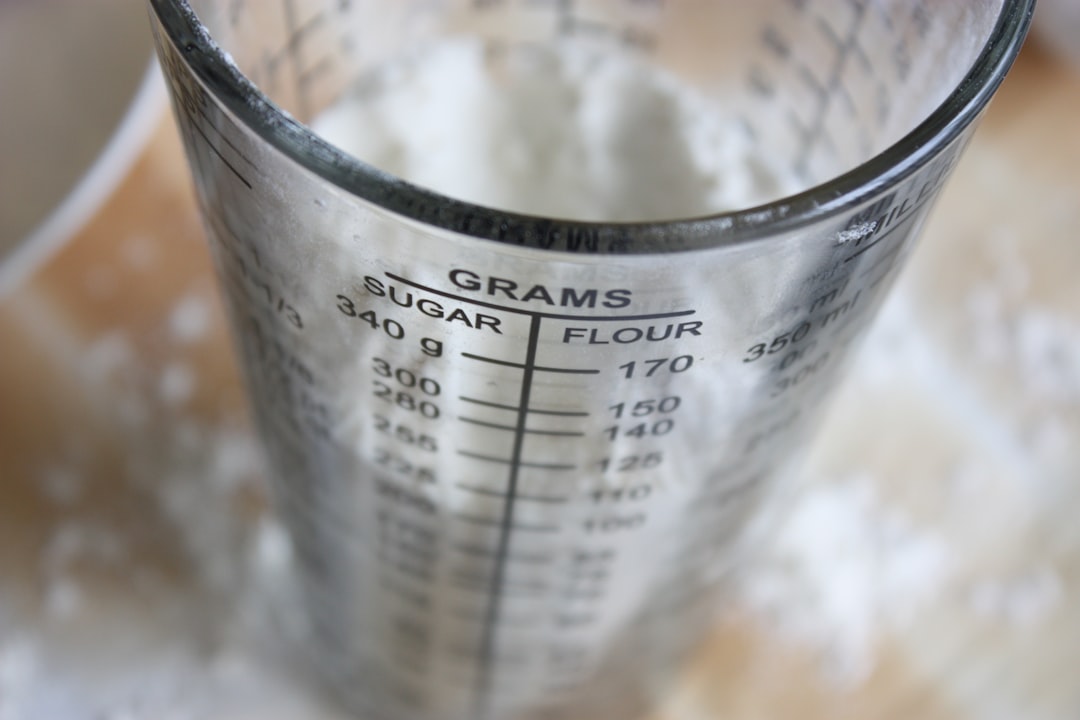
The Imperative of Measurement in Natural Home Cleaning and DIY Kitchen Stain Removal
The burgeoning interest in natural home cleaning and DIY kitchen stain removal stems from a desire for healthier living spaces, reduced environmental impact, and often, significant cost savings. We embrace vinegar for its degreasing power, baking soda for its abrasive and deodorizing qualities, and lemon for its natural bleaching and refreshing scent. But how do we truly know if these methods are effective? Beyond the immediate visual satisfaction of a clean surface, understanding the metrics behind these natural cleaning hacks is crucial for optimizing their application, proving their worth, and continuously improving our DIY prowess. This article delves into the essential metrics for measuring the success of your natural home cleaning hacks and kitchen stain removal DIY projects, transforming anecdotal evidence into actionable data.
Defining Your Objectives: What Does "Clean" Really Mean?
Before you can measure success, you must first define it. For natural cleaning and DIY stain removal, objectives can vary widely. Are you aiming for:
- Complete Stain Eradication: The benchmark here is 100% removal of a specific stain.
- Surface Shine and Sparkle: This is more subjective but can be quantified through before-and-after visual comparisons or user ratings.
- Odor Elimination: Measuring the absence of unpleasant smells, perhaps through timed observations or qualitative feedback.
- Time Efficiency: How quickly can you achieve a desired cleaning outcome compared to conventional methods or previous attempts?
- Cost Savings: The reduction in expenditure on commercial cleaning products.
- Environmental Impact Reduction: While harder to quantify directly for a single cleaning task, this can be a broader goal reflected in ingredient choices.
Clearly defined objectives provide the foundation for selecting appropriate metrics and ensuring that your efforts are aligned with your desired outcomes.
Quantifying Effectiveness: Key Metrics for Natural Cleaning Hacks
Measuring the effectiveness of natural cleaning hacks involves a multi-faceted approach, combining quantitative data with qualitative observations.
Visual Documentation: The Power of Before & After
Perhaps the most intuitive metric is visual proof. High-quality before-and-after photographs and videos are invaluable.
- Stain Removal Percentage: For specific stains (e.g., wine on a countertop, grease on a backsplash), you can assign a subjective percentage of removal based on visual comparison. A 90% removal is a clear success.
- Surface Clarity: Documenting the absence of streaks, residue, or dullness on surfaces like glass, stainless steel, or wood.
- Color Restoration: For faded fabrics or surfaces, before-and-after shots can illustrate the degree of color restoration achieved.
Actionable Step: Always take a clear "before" photo under consistent lighting. After applying your DIY solution and cleaning, take an "after" photo from the same angle and lighting conditions. This creates a direct, undeniable comparison.
Time and Effort Tracking: Efficiency in Action
Natural cleaning isn't just about being eco-friendly; it's also about being smart with your time and energy.
- Task Completion Time: Record the total time spent from preparation of the cleaning solution to the final wipe-down. Compare this to estimated times for conventional methods.
- Number of Applications: How many times did you need to apply the DIY solution to achieve the desired result? Fewer applications indicate higher efficiency.
- Physical Effort: While subjective, you can rate the physical exertion required on a scale (e.g., 1-5). A hack that requires less scrubbing or less repetitive motion is more efficient.
Example: Cleaning a greasy stovetop.
- Method 1 (Commercial Degreaser): Spray, wait 5 mins, scrub vigorously for 3 mins, wipe. Total time: 8 mins. Effort: 4/5.
- Method 2 (Baking Soda Paste & Vinegar): Mix paste, apply, let sit 10 mins, spray with vinegar, scrub gently for 1 min, wipe. Total time: 11 mins. Effort: 2/5.
In this scenario, the natural method is slightly slower but requires significantly less physical effort, which can be a key metric for some users.
Cost Analysis: The Financial Advantage
The economic benefit of DIY natural cleaning is a significant driver for many.
- Cost Per Use: Calculate the cost of ingredients for a specific cleaning solution and divide by the number of uses. Compare this to the cost per use of commercial alternatives.
- Annual Savings: Estimate the potential annual savings by replacing a certain percentage of your commercial cleaning product purchases with DIY solutions.
Calculation Example: All-Purpose Cleaner
| Ingredient | Quantity per Batch | Cost per Unit | Cost per Batch |
|---|---|---|---|
| White Vinegar (5%) | 2 cups | $0.05/cup | $0.10 |
| Water | 2 cups | Free | $0.00 |
| Essential Oil (Lemon) | 10 drops | $0.01/drop | $0.10 |
| Total Cost per Batch | $0.20 |
- Commercial All-Purpose Cleaner (hypothetical): $3.00 per 24oz bottle. If one bottle lasts 15 uses, cost per use is $0.20.
- DIY All-Purpose Cleaner: If a batch makes 4 cups (32oz), and it lasts 20 uses, cost per use is $0.20 / 20 uses = $0.01 per use.
In this simplified example, the DIY cleaner offers a substantial cost saving per use. Tracking these figures over time can provide a powerful metric for the financial viability of your natural cleaning approach.
Measuring Kitchen Stain Removal DIY Success
Kitchen stains are notorious for their stubbornness. Measuring the success of DIY removal requires precision and an understanding of the stain's nature.
Stain Type and Severity Assessment
Categorizing the stain is the first step. Is it grease, oil, wine, coffee, tomato sauce, burnt-on food, or something else? The severity also matters – is it fresh or set-in?
- Stain Severity Score (1-5): Assign a score before treatment. 1 = faint mark, 5 = deeply ingrained, widespread stain.
- Stain Type Classification: Maintain a log of stain types treated.
Residual Stain Analysis
After applying your DIY solution, the goal is minimal to no residual stain.
- Residual Stain Score (1-5): After cleaning, assign a score to the remaining stain. 1 = completely gone, 5 = no improvement.
- Colorimetry (Advanced): For highly precise measurement, colorimeters can be used to measure the color difference between the stained area and the surrounding clean surface. This is typically beyond home use but illustrates the scientific approach.
Surface Integrity Check
Crucially, your DIY stain removal should not damage the surface.
- Surface Damage Score (1-5): Assess for etching, discoloration, or structural damage. 1 = no damage, 5 = significant damage. This is vital for materials like granite, marble, or treated wood.
Actionable Step: For particularly challenging stains, document the process step-by-step. Note the DIY ingredients used, the dwell time, the cleaning method, and the outcome. This builds a knowledge base for future stain removal challenges.
User Feedback and Qualitative Metrics
While objective data is powerful, the lived experience of using natural cleaning hacks also holds immense value.
Satisfaction Ratings
- Overall Satisfaction (1-5): Ask yourself or others using the hack to rate their satisfaction with the results.
- Ease of Use (1-5): How easy was it to prepare and apply the cleaning solution?
- Pleasantness of Scent (1-5): Natural ingredients often have distinct aromas. This can be a positive or negative metric.
Anecdotal Evidence and Testimonials
Collecting stories and specific examples of success reinforces the effectiveness of your DIY methods. "This baking soda and lemon paste removed the coffee rings from my white countertop in under 5 minutes!" is a powerful testimonial.
Implementing a Measurement System: Step-by-Step
To effectively measure your natural home cleaning hacks and kitchen stain removal DIY metrics, follow these steps:
Step 1: Set Clear, Measurable Goals
Before you start a cleaning project, ask: "What do I want to achieve?" Be specific. Instead of "clean the oven," aim for "remove baked-on grease from the oven walls."
Step 2: Choose Your Metrics
Based on your goals, select the most relevant metrics. For stain removal, visual documentation and residual stain scores are key. For general cleaning, time efficiency and cost savings might be paramount.
Step 3: Create a Tracking System
This can be as simple as a notebook or a spreadsheet. For each cleaning task or hack, record:
- Date
- Task/Hack Description
- Stain Type (if applicable)
- Severity Score (Before)
- DIY Solution Used
- Application Method & Dwell Time
- Time Taken
- Effort Score
- Results (Visuals, Residual Stain Score, Satisfaction Rating)
- Cost of Ingredients
Step 4: Document Consistently
Take photos and videos consistently. Use the same lighting and angles. Be honest in your assessments.
Step 5: Analyze and Iterate
Regularly review your data. Which hacks are consistently effective? Which ones are time-consuming with mediocre results? Use this analysis to refine your DIY recipes and cleaning strategies.
Example of a Comparison Table:
| Cleaning Hack/DIY | Objective | Metric(s) Used | Result (Average) | Notes |
|---|---|---|---|---|
| Vinegar & Water | Glass Cleaning | Streak-free shine (Visual), Time to clean | 95% streak-free, 2 mins per window | Excellent for windows, leaves no residue. |
| Baking Soda Paste | Oven Degreasing | Stain removal score (After), Effort score | Stain removal: 4/5, Effort: 2/5 | Requires dwell time, but significantly less scrubbing than harsh chemicals. |
| Lemon & Salt | Copper Pot Polishing | Shine level (Visual), Time to polish | High shine, 3 mins per pot | Effective for minor tarnish, requires gentle rubbing. |
| Hydrogen Peroxide | Grout Whitening | Grout color restoration (Visual), Surface damage | Excellent restoration, 0% damage to grout/tile | Use with caution on colored grout; test in an inconspicuous area first. |
Step 6: Share and Learn
Discuss your findings with others. Online forums, social media groups, and blogs dedicated to natural cleaning are great places to share your metrics and learn from others' experiences.
Conclusion: Empowering Your Natural Cleaning Journey Through Data
Embracing natural home cleaning hacks and DIY kitchen stain removal is a rewarding endeavor. By moving beyond subjective satisfaction and implementing a systematic approach to measuring your efforts, you can unlock a deeper understanding of what truly works. Tracking metrics like visual improvements, time efficiency, cost savings, and surface integrity empowers you to optimize your methods, confidently tackle any cleaning challenge, and demonstrably prove the effectiveness and value of your sustainable cleaning choices. Your journey to a cleaner, greener home becomes not just an intuitive practice, but an informed, data-driven success story.