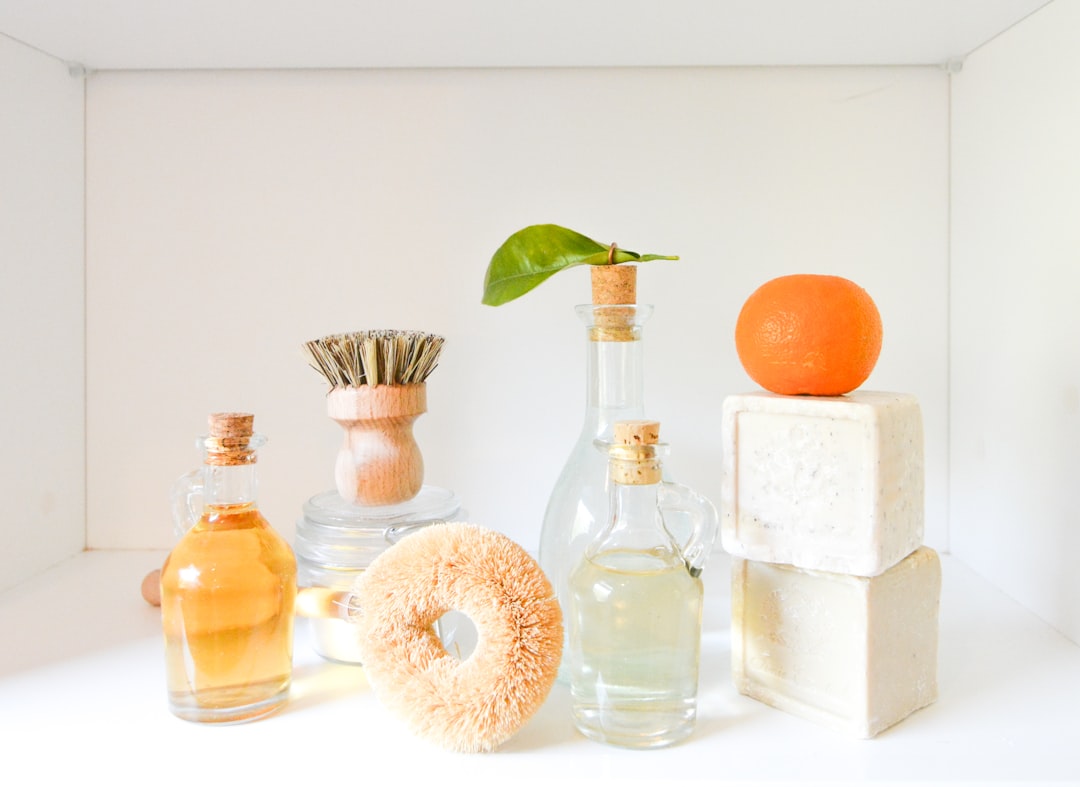
The Paradigm Shift: Why Natural Home Cleaning Matters
The modern household is often a repository of harsh chemicals disguised as "cleaners." From ammonia-laden glass sprays to chlorine-heavy bathroom gels, the environmental and health footprint of conventional products is substantial. Embracing natural home cleaning hacks is not merely a trend; it is a fundamental shift toward creating a non-toxic living environment. By harnessing the power of nature’s most effective solvents—vinegar, baking soda, citric acid, and essential oils—you can achieve a deep clean without compromising your indoor air quality.
The key features of successful natural home cleaning lie in understanding "dwell time" and mechanical agitation. Unlike heavy-duty chemicals that may burn away dirt, natural cleaners often require a brief period to break down stains, combined with the right tools to physically remove the debris.
Essential Ingredients: The Chemistry of DIY Cleaning
To master the art of natural cleaning, you must curate a small arsenal of base ingredients. These items are inexpensive, biodegradable, and remarkably versatile.
- White Vinegar (Acetic Acid): A powerhouse for cutting through mineral deposits, soap scum, and hard water stains. Its low pH makes it a natural disinfectant, though it should never be used on natural stone like marble or granite.
- Baking Soda (Sodium Bicarbonate): An alkaline powder that acts as a gentle abrasive. It is perfect for deodorizing and lifting caked-on grease in the kitchen.
- Castile Soap: A vegetable-based soap that acts as a surfactant. It lowers the surface tension of water, allowing it to lift grime away from surfaces.
- Hydrogen Peroxide (3%): An excellent natural bleaching agent for removing stains from grout or lighter fabrics without the toxicity of chlorine bleach.
Kitchen Stain Removal DIY Key Features and Strategies
Kitchens are high-traffic, high-grease zones. Removing stubborn stains requires specific methodologies. When dealing with oil-based stains, you need an emulsifier (like Castile soap). When dealing with mineral-based stains (like tea rings on countertops), you need an acid (like vinegar).
The "Poultice" Method for Deep Stains
For deep, set-in stains on porous surfaces, a simple spray often fails. A DIY poultice is a key feature in professional-grade natural cleaning. By mixing baking soda with a tiny amount of water (or hydrogen peroxide for heavy stains) to form a thick paste, you create a concentrated contact zone. Apply this to the stain, cover it with plastic wrap to prevent it from drying out, and let it sit for several hours. This allows the cleaning agent to draw the stain out of the surface material via capillary action.
Removing Grease with Steam and Enzymes
Modern natural cleaning often incorporates steam. Steam cleaners are an essential tool for kitchen maintenance because they sanitize surfaces using nothing but high-temperature water vapor, which melts polymerized grease instantly. Pair this with a plant-based enzymatic cleaner to break down organic kitchen waste on surfaces, and you eliminate the need for harsh degreasers.
Key Features to Look for in Modern Natural Cleaning Equipment
When selecting tools to complement your DIY cleaning, prioritize durability and surface safety. High-quality tools are a one-time investment that reduces waste.
| Feature | Importance | Benefit |
|---|---|---|
| Microfiber Density | High | Traps bacteria and dust without needing chemical sprays. |
| Ergonomic Design | High | Reduces physical fatigue during deep scrub sessions. |
| Material Porosity | Low (for tools) | Prevents the buildup of mold or bacteria inside the tool itself. |
| Heat Tolerance | High | Essential if using steamers or boiling water for sanitization. |
| Eco-friendly Composition | High | Ensures the tool doesn't shed microplastics into the water supply. |
Tools and Buyer Guides: Investing in Longevity
When assembling your cleaning kit, look for equipment that offers versatility. Avoid "specialty" cleaners that only perform one task. Instead, focus on multi-functional tools. For instance, a high-quality glass scraper with a non-scratch blade is more effective for oven range tops than five different chemical degreasers. Bamboo-bristled brushes are superior to plastic because they provide the necessary stiffness for scrubbing while remaining compostable.
Always consider the "maintenance of the maintainer." If your cleaning cloths are not machine washable or your brushes accumulate grime, your cleaning process will eventually spread bacteria rather than eliminate it.
Establishing a Sustainable Cleaning Routine
Natural cleaning is most effective when performed as a preventative measure. Instead of allowing kitchen stains to bond to the surface, implement a "wipe-as-you-go" policy using a microfiber cloth dampened with a 1:1 vinegar and water solution. By maintaining a clean slate, you eliminate the need for heavy-duty scrubbing, which in turn preserves the lifespan of your kitchen surfaces and appliances.
Remember: Natural cleaning is a practice of consistency. Because these solutions are gentler, they work best when used regularly to prevent the accumulation of heavy grease and mineral buildup.