The Great Debate: Are Natural Cleaning Solutions Worth the Price?
In the modern household, the shift toward sustainable living has sparked a massive debate: do you really need expensive, "all-natural" branded cleaning solutions, or are the DIY hacks lurking in your pantry just as effective? When it comes to Budget vs Premium Natural Home Cleaning Hacks & Kitchen Stain Removal DIY, the answer isn't a simple binary. It is a nuanced balance between chemistry, mechanical effort, and your personal value of time.
Whether you are trying to remove a stubborn turmeric stain from a granite countertop or looking to refresh your living room upholstery without harsh synthetic fragrances, the methodology matters more than the marketing budget.
The Chemistry of Budget DIY: The Power of Pantry Staples
Budget-friendly cleaning relies on simple, highly effective chemical reactions. Most DIY enthusiasts know the "holy trinity" of natural cleaning: white distilled vinegar (acidic), baking soda (mildly abrasive/alkaline), and hydrogen peroxide (oxidizing agent).
Vinegar and Baking Soda: The Classic Combo
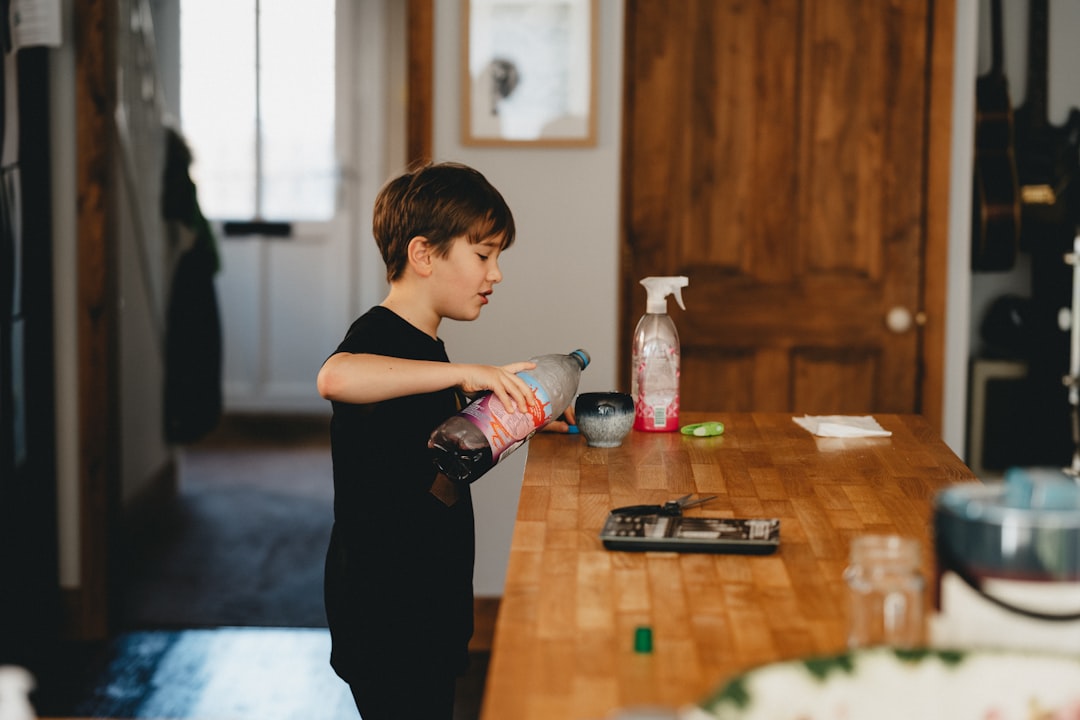
The famous "fizz" when mixing vinegar and baking soda is more than just a science experiment; it creates a mechanical action that helps dislodge dirt from crevices. However, a pro-tip for your home strategy: don't let them neutralize each other entirely in the bottle. Apply the baking soda as a paste first to provide physical grit, then spray the vinegar to create a localized reaction exactly where the stain resides.
When Budget Hacks Fall Short
Budget hacks excel at routine maintenance, but they lack the enzymatic power required for deep-set organic stains (like blood or pet accidents) or specialized grease-cutting surfactants. If you are dealing with a heavy-duty kitchen mess—such as years of baked-on carbon buildup in an oven—DIY pantry mixes may require an exhausting amount of "elbow grease" that premium products are engineered to reduce.
The Premium Edge: Why High-End Natural Cleaners Exist
Premium natural cleaning brands—those using plant-derived surfactants, essential oil blends, and bio-based enzymes—are not just selling a brand name. They are selling convenience and concentrated potency.
Advanced Enzyme Technology
Premium cleaners often utilize enzymes, which are specialized proteins that "eat" specific types of organic matter. A premium kitchen degreaser might contain lipase or protease enzymes that break down fat molecules on a molecular level, a feat that vinegar alone cannot achieve.
Scent and Safety Standards
While DIY essential oil blends can be lovely, they are often volatile and lose their potency quickly. Premium natural brands invest in standardized, laboratory-tested formulations that are safe for pets and children while providing a sophisticated scent profile that lingers without being overpowering.
Head-to-Head Comparison: Budget vs. Premium
To make an informed decision, you must categorize your cleaning tasks. The following table breaks down the effectiveness and application of budget vs. premium approaches.
| Cleaning Task | Budget DIY Method | Premium Natural Product | Verdict |
|---|---|---|---|
| Glass/Mirrors | Vinegar + Water | Plant-based alcohol spray | Budget (Equally effective) |
| Oven Grease | Baking Soda + Time | Enzyme-based degreaser | Premium (Saves time) |
| Grout Cleaning | Hydrogen Peroxide/Paste | Oxygenated bleach cleaner | Premium (Deep penetration) |
| Daily Countertop | Castile Soap + Water | Multi-surface essential oil spray | Budget (Better value) |
| Mineral Deposits | Pure White Vinegar | Citric acid specialized gel | Premium (Less scrubbing) |
Equipment, Tools & Buyer Guides: The "Third Pillar"
Often, the effectiveness of your cleaning agent is irrelevant if your tools are inadequate. A premium cleaning tool can make a budget vinegar solution perform like a luxury product.
The Essential Tools for Success
- Microfiber Cloths: Invest in high-GSM (grams per square meter) microfiber. They lift dirt rather than pushing it around, which is essential when using water-based DIY sprays.
- Boar Bristle Brushes: Unlike plastic, these are stiff enough to scrub grout but gentle enough to avoid scratching delicate surfaces like induction cooktops.
- Steam Cleaners: If you are serious about natural cleaning, skip the spray bottle and invest in a handheld steam cleaner. Steam utilizes heat to sanitize and break down grease, allowing you to clean effectively with nothing but tap water.
Kitchen Stain Removal DIY: Actionable Strategies
Kitchen stains are the ultimate test of any cleaning philosophy. Here is how to tackle the most common ones using a balanced approach:
Tackling Coffee and Tea Stains
For porcelain mugs or countertops, a paste of baking soda and a few drops of dish soap is usually sufficient. If the stain has set into a porous surface, a premium oxygen bleach powder is the superior, non-toxic choice.
Removing Persistent Grease
Grease is hydrophobic. Vinegar will not touch it. For DIY, use a concentrated mixture of liquid castile soap (like Dr. Bronner’s) and hot water. For a professional-grade finish, use a premium plant-based degreaser that contains surfactants specifically designed to emulsify cooking oils.
Final Thoughts: Building Your Cleaning Arsenal
The most successful cleaning strategy is a hybrid one. Use budget-friendly staples for 80% of your home maintenance to keep costs down and chemicals out of your indoor air. Reserve your "premium" budget for the 20% of tasks—tough enzymatic breakdown, specialized surface protection, and high-intensity scrubbing—where professional-grade natural formulations provide a quantifiable return on investment in the form of time and labor saved.