Unleash the Power of Nature: Your Guide to Natural Home Cleaning Hacks & Kitchen Stain Removal DIY
In today's world, more and more of us are seeking healthier, more sustainable ways to maintain our homes. The allure of harsh chemical cleaners is fading, replaced by a growing appreciation for the potent cleaning capabilities of natural ingredients readily found in our own kitchens. However, embarking on a natural cleaning journey isn't always a seamless one. You might find yourself facing stubborn stains, ineffective solutions, or unexpected reactions. This comprehensive guide is designed to empower you with proven natural home cleaning hacks and effective DIY kitchen stain removal techniques, while crucially addressing the common problems you might encounter and providing swift, actionable solutions.
The Foundation of Natural Cleaning: Your Pantry Powerhouses
Before diving into specific hacks, it's essential to understand the core ingredients that form the backbone of natural cleaning. These everyday items possess remarkable properties that can tackle dirt, grime, and stains without the need for toxic chemicals.
- White Vinegar: A mild acid, vinegar is a champion degreaser, disinfectant, and deodorizer. Its acidity helps break down mineral deposits, soap scum, and food residues.
- Baking Soda (Sodium Bicarbonate): This gentle abrasive and alkaline powder is fantastic for scrubbing without scratching. It neutralizes odors and lifts stains.
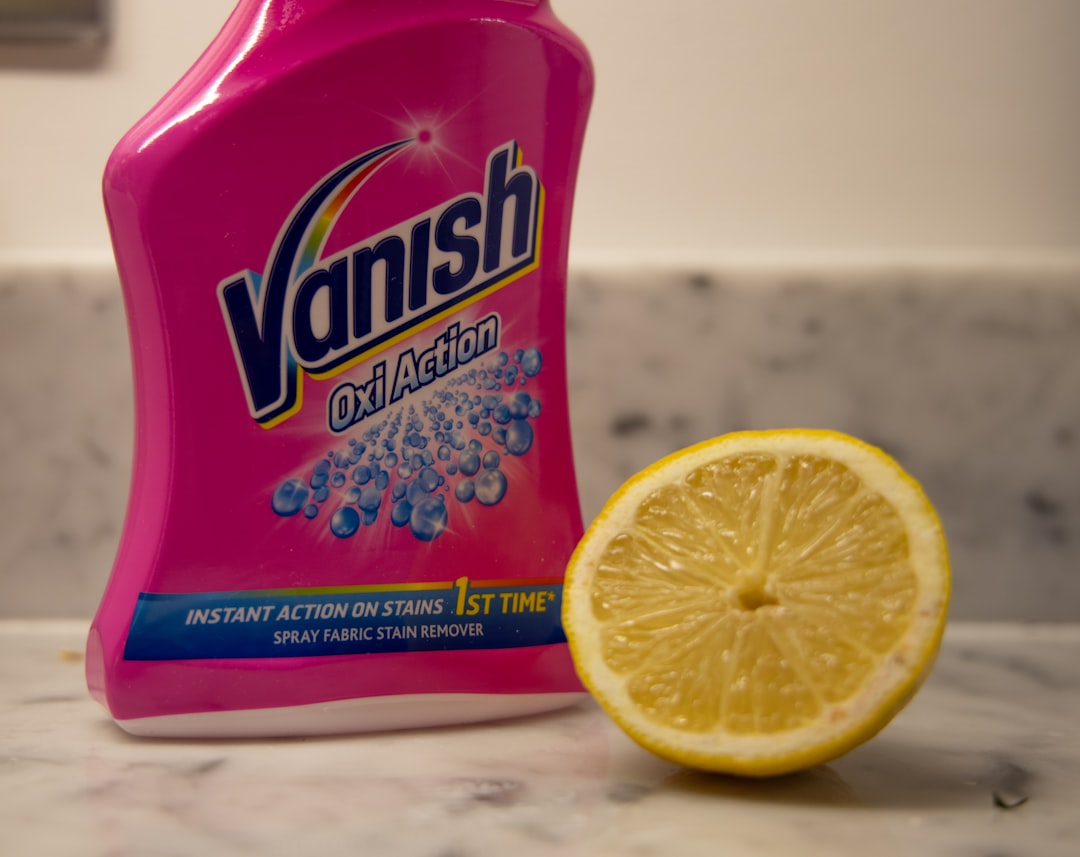
- Lemon Juice: Another natural acid, lemon juice is a powerful bleach alternative, degreaser, and imparts a fresh, clean scent.
- Hydrogen Peroxide (3%): A mild disinfectant and stain remover, particularly effective on organic stains.
- Castile Soap: A vegetable-oil-based soap that is biodegradable and gentle yet effective at lifting dirt and grease.
- Salt: Acts as a natural abrasive and can boost the cleaning power of other ingredients.
- Essential Oils (Tea Tree, Lavender, Lemon, Eucalyptus): While primarily for scent, some essential oils possess antimicrobial properties. Use sparingly and with caution around pets.
Tackling Kitchen Stain Removal DIY: Common Culprits and Natural Solutions
The kitchen is often the epicenter of household messes, and stubborn stains are an inevitable part of cooking and dining. Here's how to conquer them naturally:
#### Grease and Grime on Cooktops and Backsplashes
The Problem: Cooked-on grease splatters and oily residues can be incredibly difficult to remove, often requiring aggressive scrubbing with chemical cleaners.
Natural Solution:
- For Light Grease: Mix equal parts white vinegar and water in a spray bottle. Spray generously on the affected area, let it sit for 5-10 minutes, then wipe clean with a microfiber cloth.
- For Stubborn, Baked-on Grease: Create a paste of baking soda and water. Apply the paste directly to the greasy spots and let it sit for at least 15-20 minutes, or even overnight for very tough stains. Gently scrub with a non-abrasive sponge or cloth. Rinse thoroughly.
- For Stainless Steel: A paste of baking soda and a few drops of Castile soap, scrubbed in the direction of the grain, followed by a vinegar-water spray and a good polish with a dry microfiber cloth, works wonders.
Troubleshooting: If the baking soda paste dries out too quickly, mist it lightly with water. If stubborn spots remain after the baking soda treatment, try a slightly stronger solution of Castile soap and warm water, applied with a sponge.
#### Coffee and Tea Stains on Mugs and Countertops
The Problem: These popular beverages leave behind unsightly rings and dark stains that can set in quickly.
Natural Solution:
- For Mugs: Fill the stained mug with warm water and add a tablespoon of baking soda. Let it soak for at least 30 minutes, or overnight for severe stains. Scrub gently with a sponge. For tougher stains, a paste of baking soda and a little water can be applied and scrubbed. Alternatively, a slice of lemon can be used to scrub the inside of the mug.
- For Countertops (Laminate, Tile): A paste of baking soda and water is effective. Apply, let sit for 10-15 minutes, and gently scrub. For granite or marble, use a paste of baking soda and water, but be sure to wipe it off promptly and rinse thoroughly to avoid etching. Lemon juice can be used, but only on non-porous surfaces and with extreme caution due to its acidity.
Troubleshooting: If stains persist, try a 50/50 solution of hydrogen peroxide and water. Apply with a cloth, let it sit for a few minutes, then wipe clean. Always test hydrogen peroxide on an inconspicuous area first, especially on colored surfaces.
#### Red Wine Stains on Countertops and Fabrics
The Problem: Red wine is notorious for its ability to stain almost anything it touches, often leaving a deep, lingering mark.
Natural Solution:
- Immediate Action is Key: Blot up as much of the excess wine as possible with a clean cloth or paper towel. Do not rub, as this will spread the stain.
- For Countertops (Non-Porous): Sprinkle the stain generously with salt. The salt will help absorb the remaining liquid. Let it sit for several minutes, then wipe clean. Follow up with a vinegar-water spray.
- For Fabrics (Tablecloths, Clothing): Stretch the stained fabric over a bowl and secure it with a rubber band. Pour boiling water through the stain from a height. This can effectively lift fresh wine stains. For older or more stubborn stains, make a paste of baking soda and water, apply it to the stain, let it dry, and then brush it off. You can also try a solution of hydrogen peroxide and dish soap (equal parts) on white or colorfast fabrics, letting it sit for a few minutes before rinsing.
Troubleshooting: For very old or deeply set wine stains on fabric, a soak in a solution of oxygen-based bleach (natural alternatives exist) and water might be necessary. Always read fabric care labels and test any cleaning solution on an inconspicuous area.
#### Burnt Food on Pots and Pans
The Problem: Food that has been scorched onto the bottom of pots and pans can be incredibly challenging to remove without scratching the cookware.
Natural Solution:
- For Stainless Steel and Enamel: Fill the pot or pan with enough water to cover the burnt area. Add a generous amount of baking soda (e.g., 1/4 cup for a medium-sized pan) and a splash of white vinegar. Bring the mixture to a simmer on the stovetop for 10-15 minutes. Let it cool, then use a wooden spoon or spatula to gently scrape away the loosened burnt bits. Wash as usual.
- For Cast Iron: Avoid prolonged soaking or harsh abrasives. Try scraping away as much as possible with a stiff brush or scraper. Then, add a tablespoon of coarse salt and a small amount of oil, and scrub vigorously with a paper towel or stiff brush. Rinse and immediately dry thoroughly, then apply a thin layer of oil to prevent rust.
Troubleshooting: If simmering doesn't remove all the residue, repeat the process. For extremely stubborn burnt-on food, a paste of baking soda and water applied to the cooled pan and left overnight can be very effective.
Natural Home Cleaning Hacks: Beyond the Kitchen
The principles of natural cleaning extend throughout your home, offering effective and eco-friendly solutions for various challenges.
#### Bathroom Grime: Soap Scum and Mildew
The Problem: The humid bathroom environment is a breeding ground for soap scum and mildew, which can be tough to eliminate.
Natural Solution:
- Soap Scum: Spray undiluted white vinegar on the affected areas (shower doors, tiles, sink). Let it sit for 10-15 minutes to break down the soap residue. Scrub with a sponge or brush and rinse thoroughly.
- Mildew: For mild mildew, a paste of baking soda and water can be applied and scrubbed. For tougher mildew, a spray of hydrogen peroxide (3%) can be used. Let it sit for 10-15 minutes, then scrub and rinse. For persistent mildew, a spray bottle filled with a 50/50 solution of vinegar and water can be effective. Ensure good ventilation when tackling mildew.
Troubleshooting: If vinegar alone isn't cutting through thick soap scum, try sprinkling baking soda over the vinegar spray, creating a fizzing action that aids in lifting the grime. For mildew on grout, a stiff brush is essential.
#### Window and Mirror Streaks
The Problem: Achieving streak-free windows and mirrors can be frustrating, with common cleaners often leaving behind smudges.
Natural Solution:
- Vinegar and Water: Mix equal parts white vinegar and distilled water in a spray bottle. Spray lightly onto the surface. Wipe clean with a lint-free cloth (microfiber is ideal) or crumpled newspaper.
- Lemon Juice and Water: Similar to vinegar, a solution of lemon juice and distilled water can also be effective.
Troubleshooting: The key to streak-free results is using distilled water (tap water can contain minerals that leave streaks) and a clean, lint-free cloth. Avoid cleaning windows on a very hot, sunny day, as the solution can dry too quickly, leading to streaks.
#### Deodorizing Your Home
The Problem: Unpleasant odors can linger in carpets, upholstery, and the air, requiring frequent masking or harsh chemical treatments.
Natural Solution:
- Baking Soda: Sprinkle baking soda liberally on carpets and upholstery. Let it sit for at least 15-30 minutes (or longer for strong odors) before vacuuming thoroughly.
- Vinegar: Place small bowls of white vinegar around a room to absorb odors. The vinegar smell will dissipate as it works. You can also simmer vinegar and water on the stovetop to quickly neutralize strong cooking smells.
- Lemon Peels: Simmer lemon peels in water on the stovetop for a natural, refreshing air freshener.
Troubleshooting: For persistent pet odors on carpets, ensure you vacuum thoroughly after applying baking soda. If odors return, consider the source (e.g., pet accidents, dampness) and address it directly.
Natural Cleaning Comparisons: DIY vs. Commercial
While natural cleaning offers numerous benefits, it's helpful to understand how it stacks up against conventional cleaners.
| Feature | Natural DIY Cleaners (Vinegar, Baking Soda, Lemon) | Commercial Chemical Cleaners |
|---|---|---|
| Ingredient Safety | Generally food-grade, non-toxic, biodegradable. | Can contain harsh chemicals, volatile organic compounds (VOCs), irritants, and allergens. |
| Environmental Impact | Low impact, biodegradable, minimal packaging. | Can contribute to water pollution, air pollution, and generate significant plastic waste. |
| Cost-Effectiveness | Very low cost, readily available. | Varies, can be expensive, especially for specialized cleaners. |
| Effectiveness | Highly effective for most common tasks, especially when used correctly. | Can be very powerful for specific tough jobs, but sometimes overkill for everyday cleaning. |
| Scent | Natural, pleasant (e.g., citrus, vinegar dissipates). | Often strong, artificial fragrances, which can trigger sensitivities. |
| Potential Issues | Can sometimes require longer dwell times; potential for etching on certain surfaces (e.g., marble with acid). | Risk of skin irritation, respiratory issues, accidental poisoning, damage to surfaces if misused. |
Troubleshooting Common Natural Cleaning Pitfalls
Even with the best intentions, natural cleaning can sometimes present challenges. Here's how to overcome them:
#### 1. "It's not working!" - Ineffective Solutions
The Problem: You've tried a natural solution, but the stain or grime remains.
The Fix:
- Dwell Time: Natural cleaners often require more dwell time than their chemical counterparts. Give the solution adequate time to break down the dirt or stain.
- Concentration: Ensure you're using the right concentration. Sometimes a slightly stronger solution (e.g., undiluted vinegar for tough soap scum) is needed.
- Abrasiveness: For tough scrubbing, combine a natural cleaner with a gentle abrasive like baking soda or salt.
- Correct Ingredient: Ensure you're using the right natural ingredient for the job. For example, an alkaline cleaner like baking soda is better for greasy stains, while an acid like vinegar is better for mineral deposits.
#### 2. "It's scratching my surfaces!" - Over-abrasiveness
The Problem: Using baking soda or salt too aggressively can scratch delicate surfaces.
The Fix:
- Gentle Pressure: Always use gentle pressure when scrubbing with abrasive natural cleaners.
- Soaking First: For tough grime, soak the area first with a liquid cleaner (like vinegar or soapy water) to soften the residue before attempting to scrub.
- Test First: Always test any abrasive cleaner on an inconspicuous area before tackling a large surface.
- Use Soft Cloths: Opt for microfiber cloths, sponges, or soft brushes. Avoid steel wool or harsh scrub pads on most surfaces.
#### 3. "It's leaving a residue!" - Incomplete Rinsing
The Problem: Baking soda or soap residue can be left behind if not rinsed thoroughly.
The Fix:
- Rinse Thoroughly: This is crucial. Use plenty of clean water to rinse away all traces of the cleaning solution.
- Use Distilled Water for Final Rinse: For surfaces like glass or mirrors, a final rinse with distilled water can help prevent streaks and mineral deposits.
- Wipe Dry: After rinsing, wipe the surface dry with a clean, lint-free cloth to prevent water spots.
#### 4. "The smell is overwhelming!" - Unpleasant Odors
The Problem: While natural, some ingredients like vinegar can have a strong initial odor.
The Fix:
- Ventilation: Ensure good ventilation by opening windows and doors while cleaning.
- Add Essential Oils: Once the cleaning is done and the surface is rinsed, add a few drops of your favorite essential oil (lemon, lavender, eucalyptus) to your cleaning cloth or a final rinse water.
- Allow Time: The smell of vinegar dissipates quickly once dry.
Maintaining a Naturally Clean Home
Consistency is key to a clean and healthy home. Incorporate these practices:
- Wipe Spills Immediately: The easiest way to prevent stains is to address them as soon as they happen.
- Regular Maintenance: Dedicate a few minutes each day to quick clean-ups (e.g., wiping down countertops after meals, cleaning the sink).
- Declutter: A tidy space is easier to clean.
- Proper Storage: Store cleaning supplies and tools neatly for easy access.
By understanding the power of natural ingredients, mastering effective DIY techniques, and knowing how to troubleshoot common issues, you can transform your home into a sparkling, healthy sanctuary. Embrace the simplicity and effectiveness of nature's cleaning arsenal, and enjoy a cleaner home with fewer chemicals.